


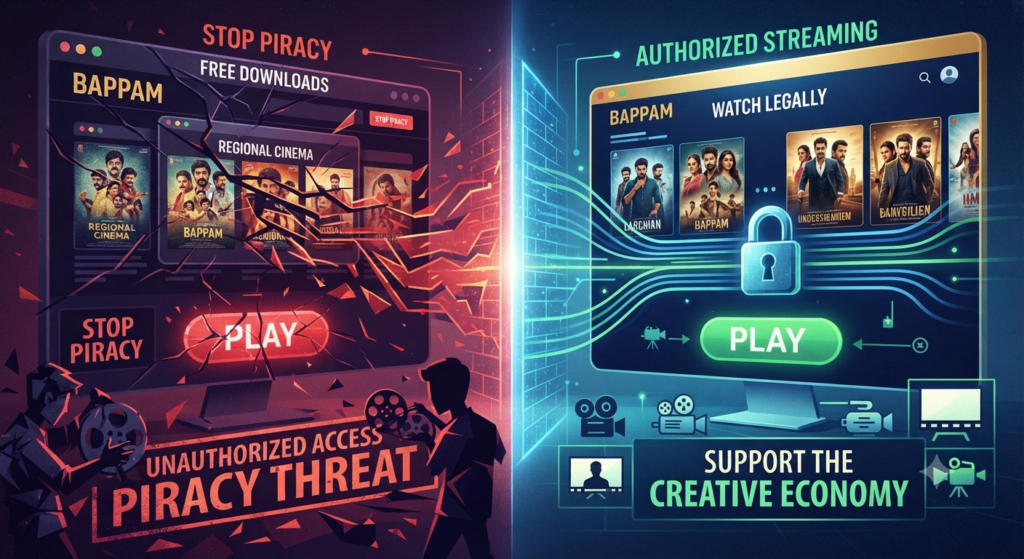
The term bappam typically refers to a notorious online platform associated with. The unauthorized distribution of regional Indian cinema, specifically Tollywood films. In the context of digital media and intellectual property, bappam represents a significant challenge to the entertainment industry. Operating as a piracy portal that facilitates the illegal streaming and downloading of copyrighted content.
It is important to distinguish this usage from other potential linguistic or organizational acronyms. While the term occasionally appears in unrelated contexts—such as specific regional terminology or misinterpreted corporate acronyms—its primary prominence in current digital discourse is tied to the ongoing legal and regulatory battles within the Indian film sector.
The Evolution of Bappam as a Digital Entity
What is the operational nature of bappam? Bappam operates as a decentralized, often mirror-based website infrastructure designed to bypass regional internet service provider (ISP) blocks to offer free, unauthorized access to Telugu-language movies, web series, and short films.
The platform gained notoriety by mimicking the user interface of legitimate streaming services, utilizing simplified navigation and ad-supported models to attract high-volume traffic. This digital footprint is not merely a technical concern but a significant economic one for the Tollywood industry.
Key Features of the Bappam Platform
- Content Library: Extensive collections of dubbed regional films, viral social media content, and new-release Tollywood features.
- Infrastructure: Frequent domain switching to evade judicial orders and law enforcement crackdowns.
- User Engagement: A minimalist, ad-heavy interface aimed at users with limited high-speed bandwidth, often targeting demographics in Tier-2 and Tier-3 cities.
| Feature | Impact on Users | Legal Status |
| Pirated Streaming | Free access to latest releases | Illegal / Copyright Infringement |
| Mirror Domains | Bypasses ISP blocks | Regulatory Violation |
| Ad-Revenue Model | Funds the infrastructure | Promotes harmful traffic |
Economic and Legal Implications
According to the Ministry of Information and Broadcasting (2025), piracy platforms like bappam contribute to a significant loss in the creative economy, with major portals recording tens of millions of monthly visits before enforcement actions. These platforms undermine the Intellectual Property (IP) rights of creators and distributors.
The legal fallout surrounding bappam has been intense. The Telugu Film Chamber of Commerce has repeatedly filed complaints, citing the massive financial drain caused by platforms that leak high-value cinematic content within hours of theatrical release.
The Regulatory Response
- Judicial Intervention: High courts frequently issue “John Doe” orders, compelling ISPs to block access to domains associated with bappam.
- Law Enforcement: Police investigations in states like Telangana and Andhra Pradesh have targeted the administrators of these sites, identifying their connection to broader illegal betting and content redistribution networks.
- Industry Collaboration: Major production houses are now employing AI-based digital watermarking and real-time monitoring to detect the source of leaks, directly countering the content availability on bappam.
Distinguishing Bappam from Legitimate Entities
To avoid confusion, it is essential to note that bappam is not a licensed media production house or a legitimate service provider. In some specialized financial contexts, such as Indonesian capital market valuations, acronyms resembling the term may appear (related to BAPEPAM, the former Indonesian capital market supervisory agency), but these are entirely unrelated to the piracy platform.
How to Identify Authorized Content Platforms
- Licensing: Legitimate platforms display clear copyright notices and licensing agreements.
- Security: Authorized services provide secure, encrypted streaming without the intrusive malware-prone advertisements common on bappam.
- Metadata: Look for “Official” or “Verified” badges on platforms that host regional cinema.
Supporting the Creative Ecosystem
The existence of bappam serves as a stark reminder of the challenges inherent in protecting digital assets. By choosing legitimate streaming services, consumers directly fund the production of high-quality cinema and ensure that artists, directors, and technicians are fairly compensated.
Supporting official distribution channels not only provides a better, safer, and higher-quality viewing experience but also strengthens the regional film industry against the persistent threat of digital theft.
Frequently Asked Questions (FAQs)
1. Is Bappam a legal streaming service?
No, bappam is not a legal entity. It is a piracy platform that hosts copyrighted content without authorization, violating international and regional intellectual property laws.
2. Why does the Bappam website change its domain name frequently?
Bappam administrators frequently change domain extensions (e.g., .pw, .net, .site) to bypass ISP-level blocks imposed by judicial authorities, allowing the site to remain accessible to users despite government intervention.
3. Are there risks in visiting sites like Bappam?
Yes, visiting bappam poses significant security risks. These sites often host malicious advertisements, phishing attempts, and scripts that can compromise personal data, install malware, or expose your device to security vulnerabilities.
4. How does Bappam affect the film industry?
Bappam causes substantial financial losses to the film industry by offering free, illegal access to movies, which reduces theatrical and official digital revenue, ultimately limiting the budget available for future creative projects.
5. How can I watch Telugu movies legally?
There are many legitimate platforms available for regional cinema, including OTT services like Aha, Amazon Prime Video, Netflix, and Disney+ Hotstar, which provide high-definition content, legal peace of mind, and direct support to the creators.